







Category A-listed building contains some of the world’s rarest plants
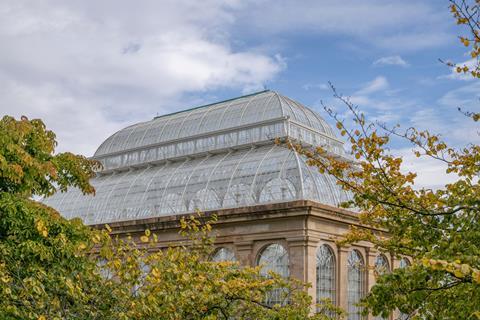
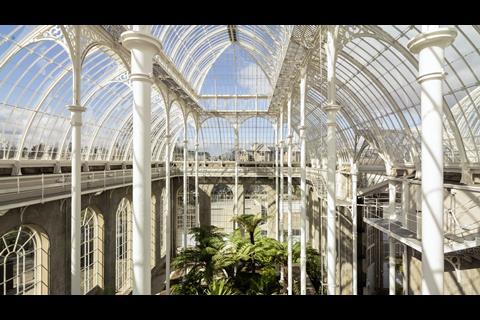
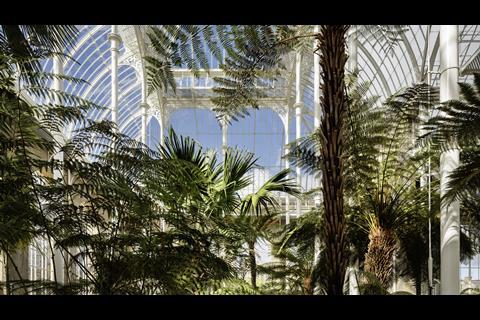
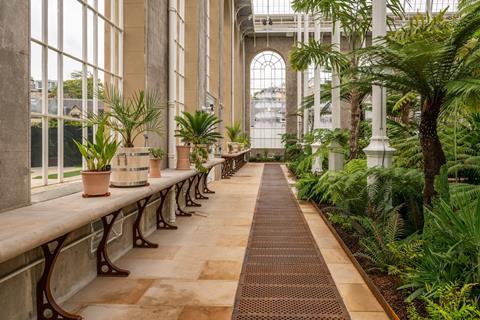
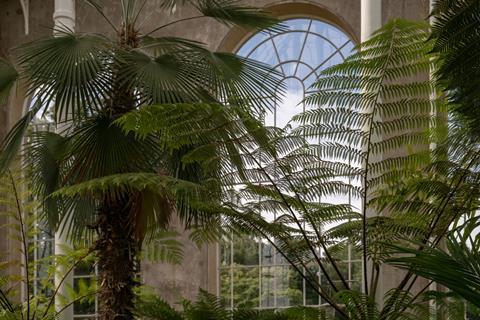
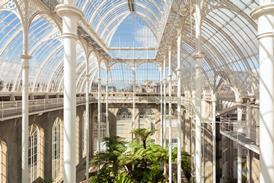
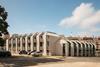
Edinburgh’s historic Palm House has officially reopened following a restoration project designed by local practice Smith Scott Mullan.
The category A-listed structure, built in the mid 19th century, has been closed for more than five years while repair work on the building’s sandstone base, ironwork and glass panels was carried out.
All 5,750 panes of glass have been replaced, 600sq m of ironwork has been restored or updated and 500sq m of sandstone repairs have been completed as part of the site’s comprehensive refurbishment.
The scheme has been one of the most ambitious restoration projects in the 356-year history of the Royal Botanic Garden Edinburgh, which was originally founded in 1670 to grow medicinal plants.
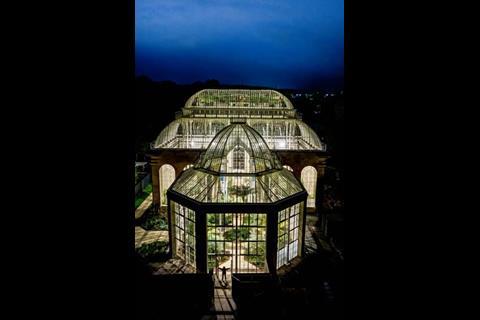
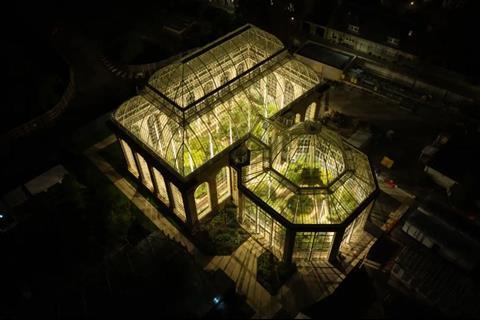
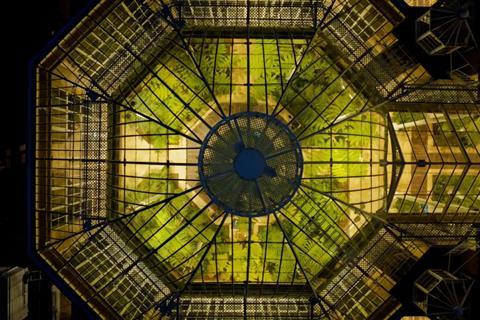
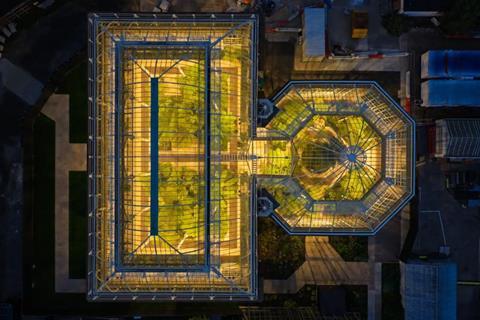
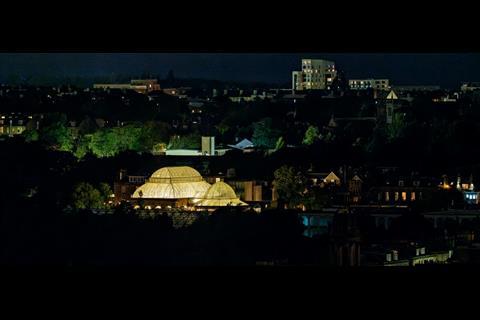
The palm house is the centrepiece of the garden and is still the tallest stone-built structure of its kind in the world.
The reopened building will exhibit almost 600 plant species including the only cultivated specimen of the critically endangered Valdivia Gayana, which has been grown from seeds gathered from a cave in its native Chile.
Other rare plants on display include New Zealand’s Three Kings Vine, one of the rarest in the world, and the endangered Catkin Yew.
Julia Knights, regius keeper of the Royal Botanic Garden Edinburgh, said the reopening was “a truly historic moment” for the gardens.
She said: “Visitors now have the opportunity to see this unique collection of some of the world’s most fascinating plants, some endangered in the wild, underneath the breathtaking glass-domes of the Palm Houses.
“As the guardians of one of the world’s most biodiverse living collections of plants on Earth, we are working at pace to tackle the impacts of biodiversity loss and climate change, and to save species from extinction in partnership with institutions and scientists from across the globe”.
The next phase of restoration will transform the garden’s Research Glasshouses in order to protect 3,000 plants, some of which are extinct in the wild.





No comments yet