






Scheme to replace former Imperial College medical school with 15-storey building
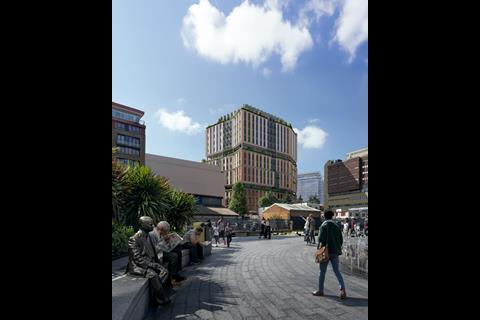
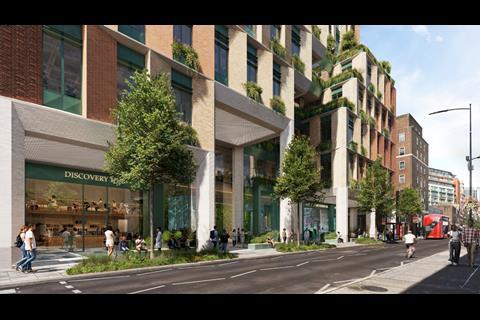
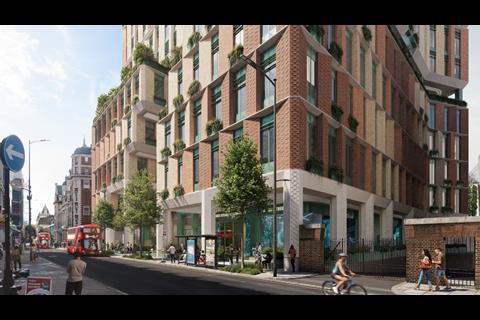
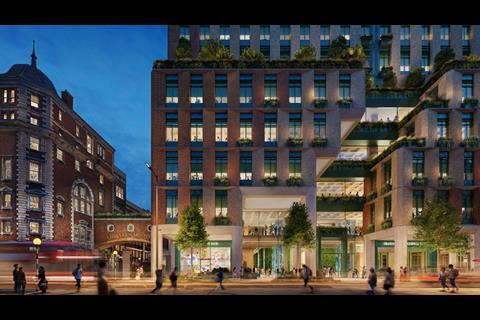
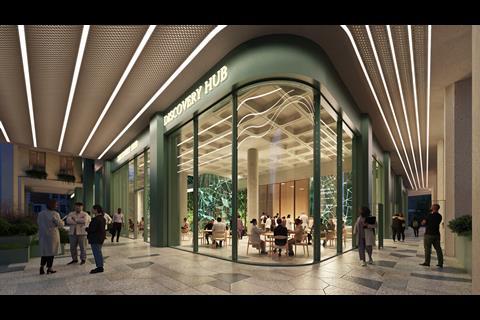
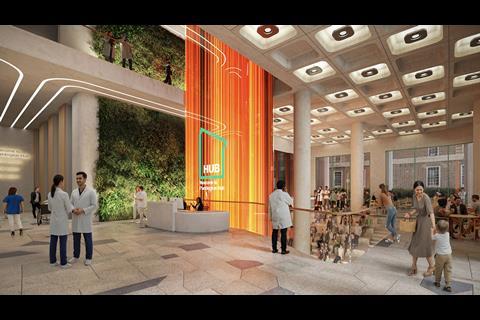
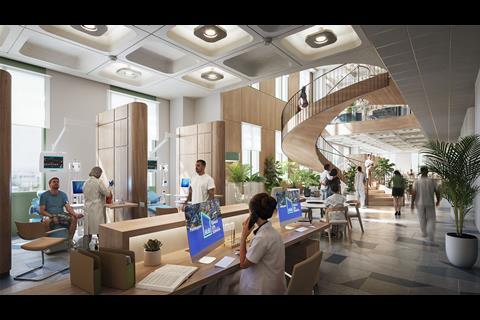
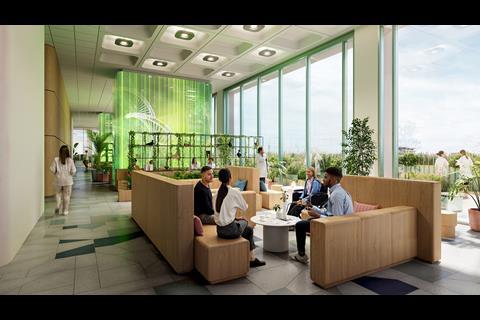
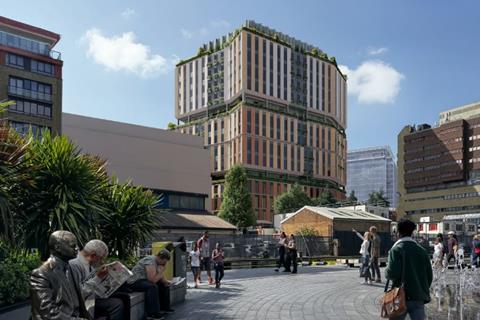
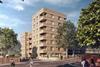
Westminster council has voted to approve a 48,000sq m life sciences building in Paddington designed by HOK in defiance of a recommendation by planning officers to refuse the scheme.
Councillors backed the 15-storey Paddington Hub scheme on Tuesday evening on a vote balance of four to one after concluding that its public benefits outweighed the heritage harm of demolishing the former Imperial College Medical School building.
The existing building was built in the 1930s and extended in the 1950s and 60s, and was granted a certificate of immunity from listing during the course of the HOK scheme’s planning application.
It was previously occupied by Imperial College and used as a medical school but is now vacant following Imperial College’s relocation to White City.
Historic England and the Twentieth Century Society both called for the application to be refused on heritage grounds and for the scheme to be redrawn to better reflect the surrounding Bayswater Conservation Area.
Planning officers also argued the proposed demolition was “unacceptable” because it failed to comply with retrofit first policies set out in Westminster’s City Plan 2019-2040 and the wider London Plan 2021.
However, officers also acknowledged that the scheme would deliver “substantial” public benefits including jobs, financial investment, street activation and improved public realm around the site.
The scheme’s developers Cohort Limited and Bartlet Asset Management said the building would create up to 1,845 onsite jobs, 50 apprenticeships and up to £3bn of annual economic activity over the next decade.
Bartlet Asset Management director David Miller said: “Paddington Hub represents a significant investment in Paddington’s future and a once-in-a-generation opportunity to create a world-class clinical life sciences hub next to St Mary’s Hospital.
He said the council’s backing will “drive economic growth, support new jobs and strengthen the UK’s health innovation sector, and by bringing researchers, clinicians and patients together we can accelerate new treatments, improve outcomes and create meaningful opportunities for local people”.
HOK design principal David Weatherhead added: “We have designed a high-quality, sustainable life science building next to St Mary’s Hospital for researchers, patients and the public.
”Its adaptable design is resilient to change, fostering critical breakthroughs by promoting a bench-to-bedside process, and co-locating patients and researchers improves efficiency and refines the clinical trials process.
”It has been a three-year design journey, shaped by the Design Review Panel and by the community. We are delighted this vital building can now become a reality.”






1 Readers' comment