







Facelift of Stirling Prize-shortlisted office linked with proposals to replace neighbouring Edwardian building with an events space
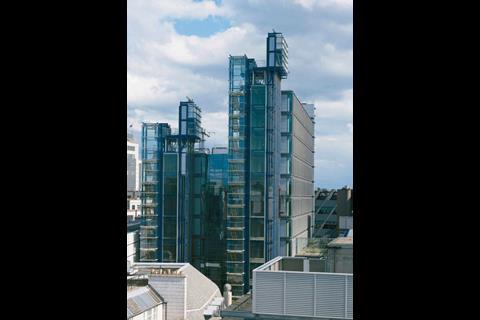
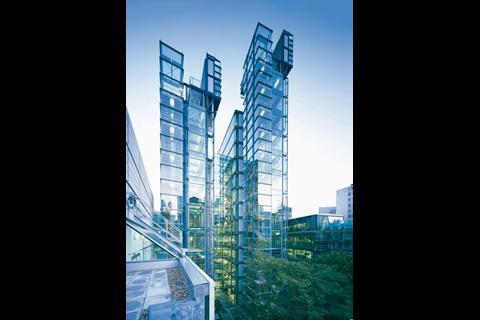
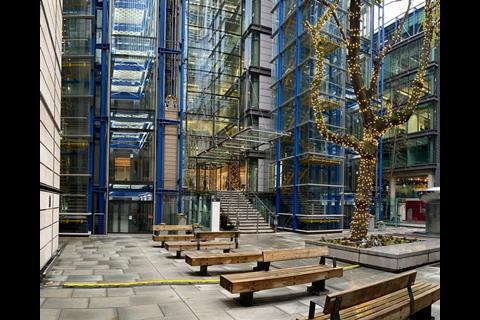
RSHP has set out plans to refurbish its Stirling Prize-shortlisted Lloyd’s Register of Shipping building in the City of London and construct a landmark new entrance for the site on Fenchurch Street.
Two planning applications for 70 Fenchurch Street and 68 Fenchurch Street have been submitted to the City of London by the scheme’s developer Yard Nine, which acquired the site from Lloyd’s Register last year.
The 13-storey main building, commonly known as 70 Fenchurch Street, was built between 1996 and 2000 and shortlisted for the Stirling Prize in 2002. It was the first office building in the UK to use chilled beams as part of its HVAC system.
The site was previously occupied by Lloyd’s Register, an industrial certification organisation which shares roots with insurance marketplace Lloyd’s of London but has been a separate entity for more than a century.
Yard Nine has said it wants the building to undergo a “comprehensive repositioning” to provide modern Grade A office space that “meets the evolving needs of businesses in the City”.
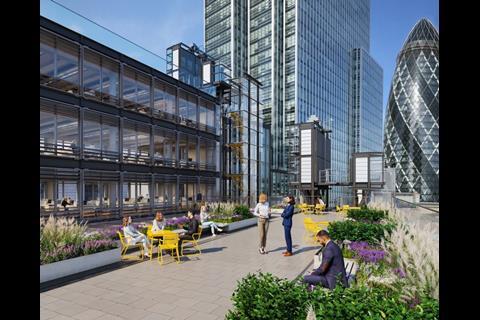
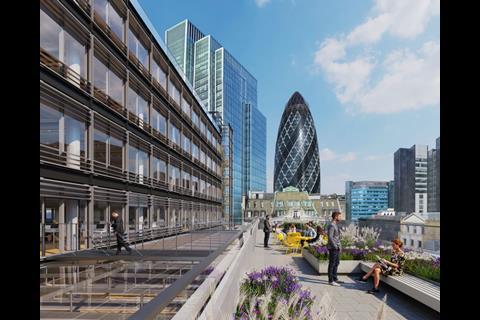
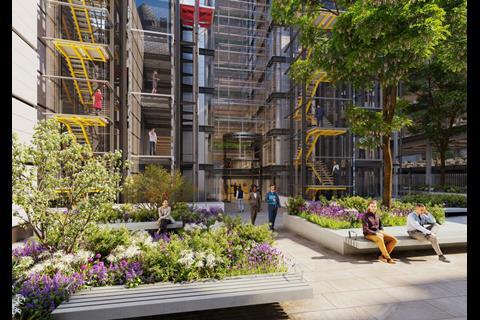
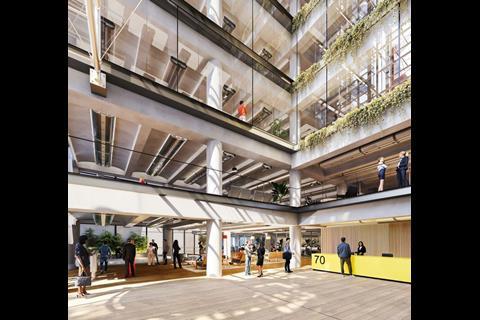
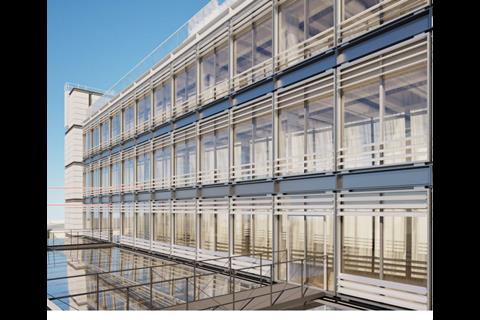
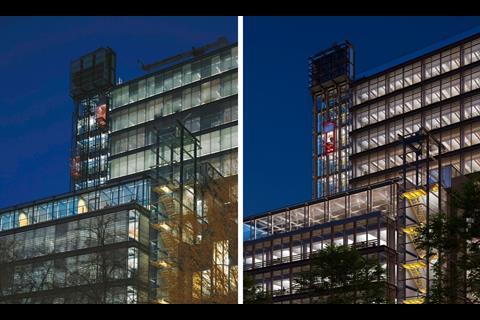
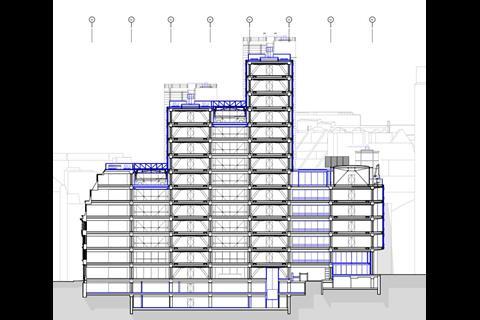
The developer, which is also behind Eric Parry’s 50 Fenchurch Street tower and TP Bennett’s refurbishment of 80 Fenchurch Street, promised that its redevelopment of 70 Fenchurch Street will “ensure the inherent timeless qualities of the design are brought up to modern standards”.
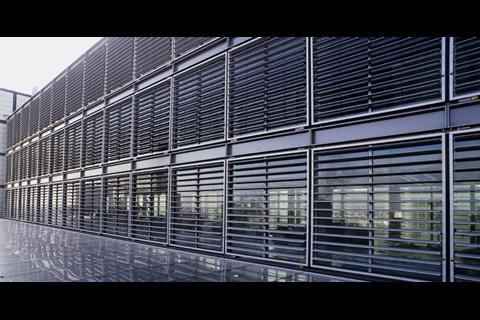
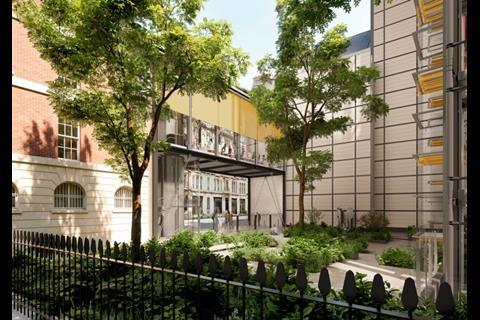
The plans include creating new roof terraces, overhauling the entrance courtyard, replacing the steps leading to the reception with an accessible ramp, replacing outdated glazing, removing window louvres and improving internal circulation routes.
The timing of the planning application comes a few years before the building would become eligible for listing under Historic England guidance, which typically limits consideration of protected status to buildings which were completed at least 30 years ago.
But the scheme has already raised heritage concerns with the Twentieth Century Society objecting to RSHP’s proposals to change the colour of the building’s steel structure from cobalt blue to what the practice described as a “more neutral” anthracite grey.
The heritage group, which was consulted on the scheme during the pre-application process, said the use of bright colours on structural steelwork or services is a “key conceit” of the work of RSHP and its co-founder Richard Rogers, including on Rogers’ Centre Pompidou and the Inmos Microprocessing Factory.
“Adapting the blue to a more generic colour will result in harm to the significance of the building, which we consider to be an NDHA [non-designated heritage asset],” the group said.
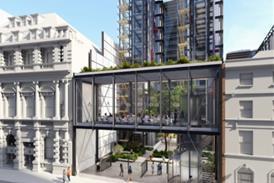
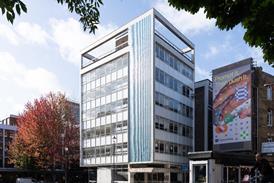
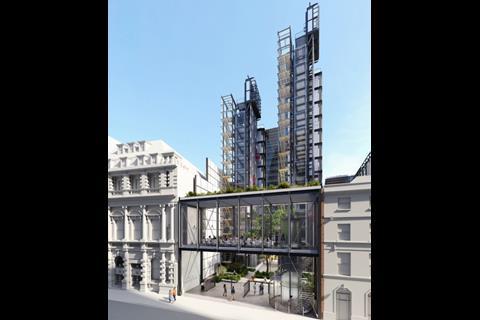
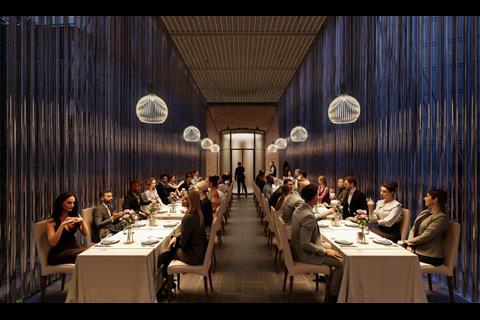
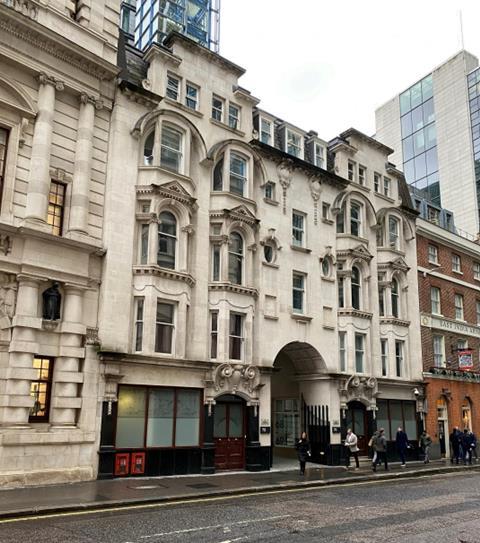
Meanwhile, a linked application is proposing the demolition of a neighbouring Edwardian building and replacing it with an elevated events space which would serve as the entrance to the main building at 70 Fenchurch Street.
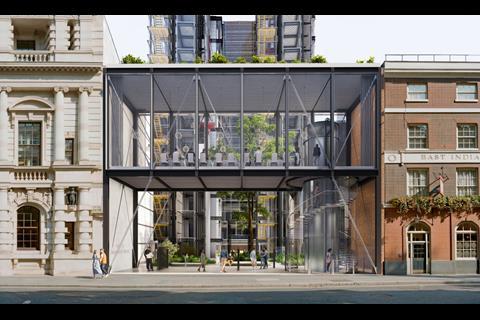
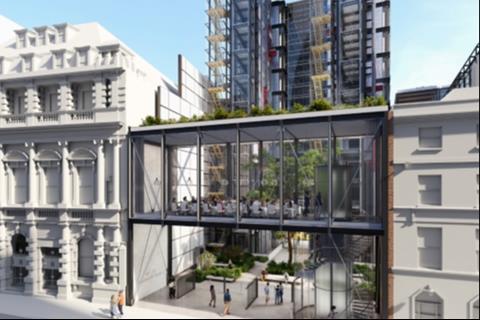
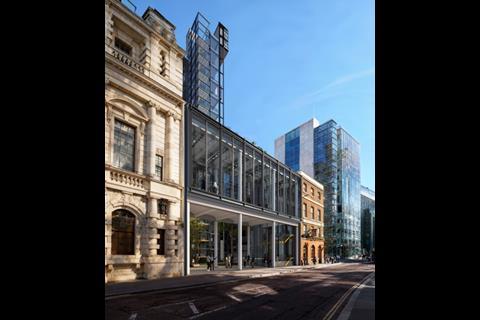

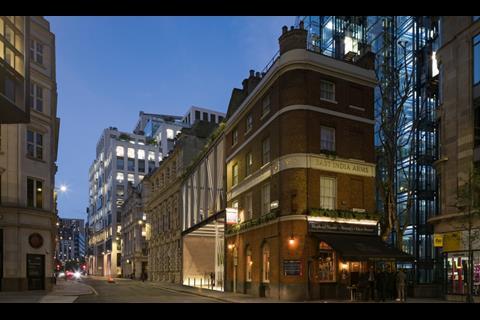
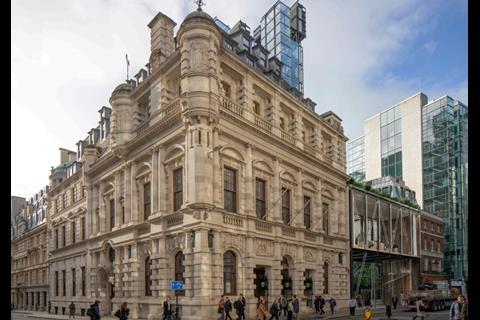
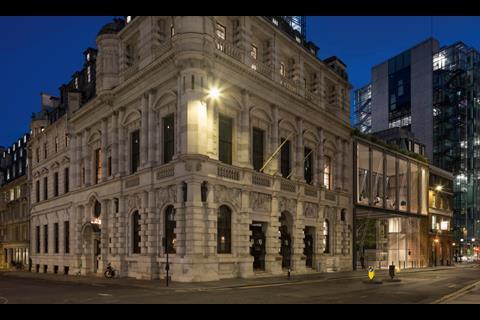
The unlisted office block at 68 Fenchurch Street was built in 1910 but substantially altered during the 1990s with the construction of an archway through the building, which currently serves as the main pedestrian route to 70 Fenchurch Street.
Both sites are located within the Lloyd’s Avenue Conservation Area, which the City says is characterised by “a group of listed and unlisted office buildings of consistently high architectural quality, mainly Edwardian in origin, with a high level of conformity in terms of scale, design and street plan”.
However, it is understood that the existing 68 Fenchurch Street cannot be legally occupied as it does not currently comply with current fire or accessibility regulations, and cannot be “feasibly refurbished”.
The proposed double-height events space is aiming to provide a more prominent gateway to 70 Fenchurch Street, which is mostly hidden behind the row of Edwardian buildings on Fenchurch Street including the grade II*-listed Colcutt Building, which is still occupied by Lloyd’s Register.
Both schemes share the same project team including Arup, which worked on the original scheme in the late 1990s, on structures, services and facades, Core Five on costs, Third London Wall as project manager, Newmark on planning, Montagu Evans on heritage and Hyland Edgar Driver as landscape architect.
RSHP is also understood to be working on a refurbishment of the grade I-listed Lloyd’s of London building which would see the Hi-Tech landmark continue to function as office space after previous plans to transform the site into a hotel were shelved.







2 Readers' comments