





Museum of art in Shenzhen to feature five pavilions suspended above a public plaza
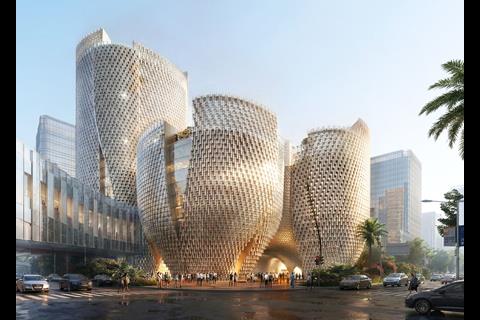
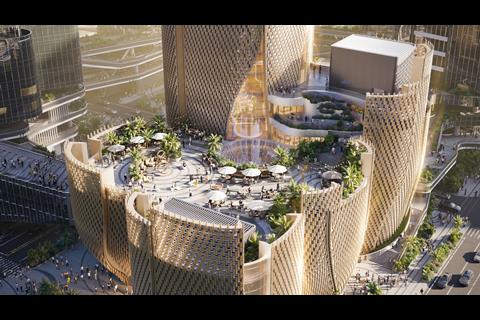
Ole Scheeren has revealed plans for an art museum in Shenzhen designed for the founder of Chinese tech giant Tencent.
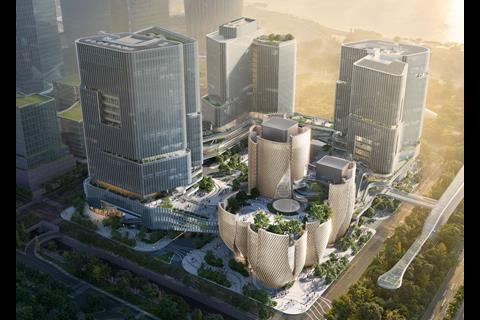
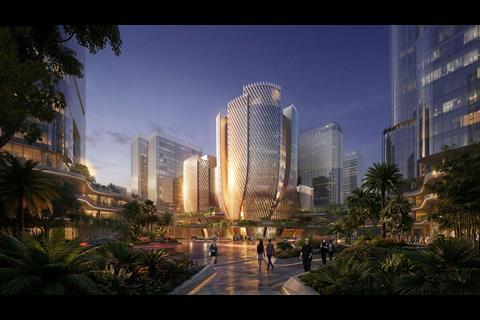
The Róng Museum of Art will form the cornerstone of the Houhai Hybrid Campus, a city centre commercial district which has also been designed by Scheeren’s practice Büro Ole Scheeren.
Both the museum and the campus are currently under construction, with the former set to complete first in early 2027 before the wider campus completes later in the year.
It is the latest in a string of major commercial projects designed by the German architect in south China’s biggest city, including a huge headquarters building for Tencent on a separate office campus on Qianhai Bay.
The museum, which is named after the Chinese character for “symbiosis” and “integration”, will focus on displaying visual culture of the 20th and 21st century.
Scheeren said the scheme reflects a growing ambition among China’s most successful technology entrepreneurs to contribute to public life and cultural infrastructure.
“What is significant is that the founder of Tencent, one of China’s most successful innovation businesses, is using his company’s position at the forefront of China’s tech industry to open new ground for culture and urban development,” the architect said.
He added: “Around the world, most tech environments are relentlessly self‑focused. Here, the ambition is to chart a different path by investing in public space, cultural venues and education, and to use economic success to underwrite a deeper, more generous engagement with the city and wider society.”
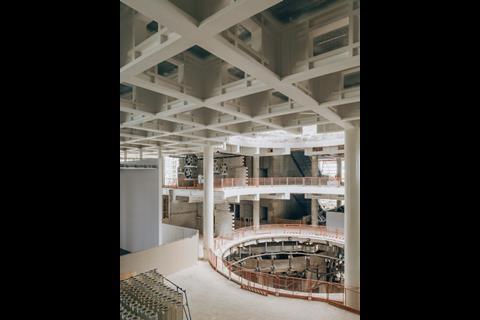
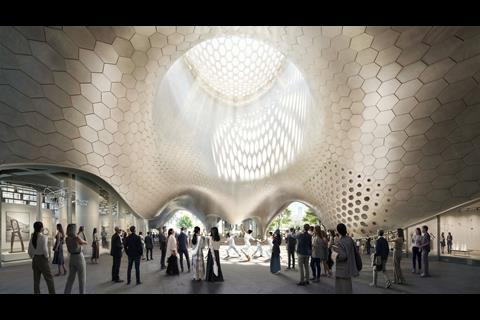
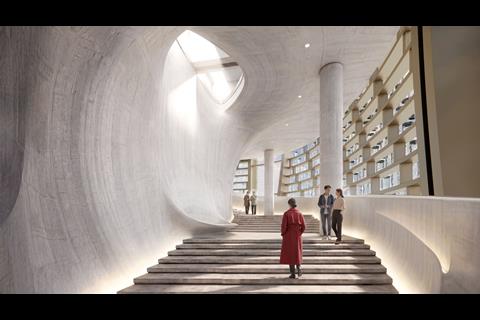
Just under half of the 4,500sq m building will be devoted to gallery space including an education space and a public art library.
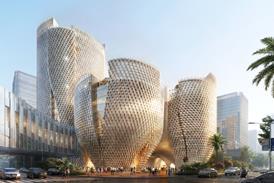
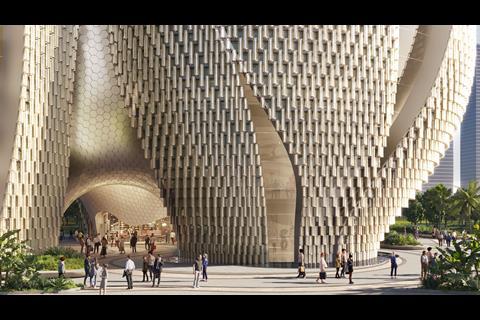
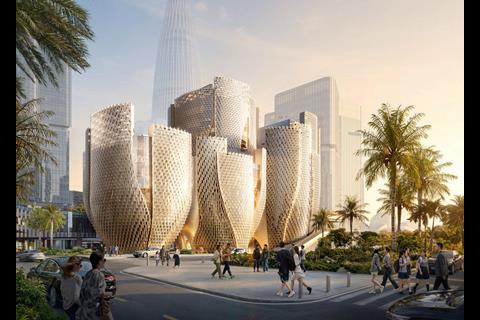
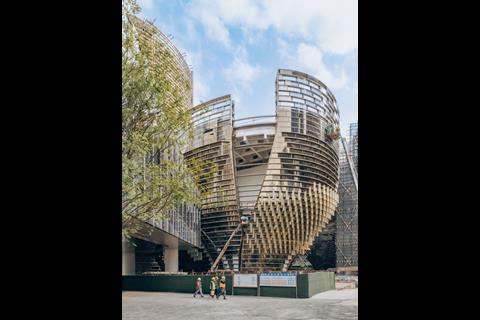
The exhibition spaces are lifted on five sculptural pavilions suspended above a sheltered public plaza, described by Scheeren as an “art forum”, which will be open 24 hours a day and lit by a large central skylight.
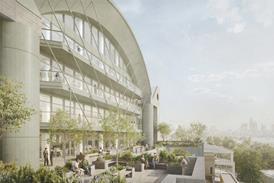
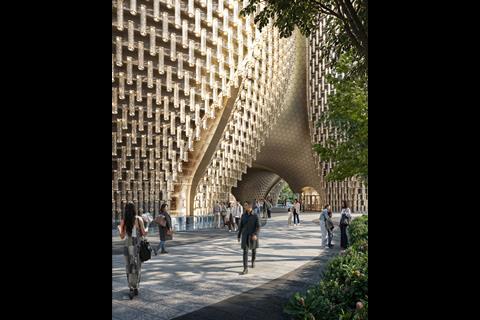
The pavilions will be faced with a layer of parametric glass tubes and a winding stair which climbs the exterior of the building towards a rooftop garden.
Scheeren said he wanted to give the museum a “distinctive and magical appearance that creates a sense of curiosity, especially amongst the younger generation.”.
Other projects which Büro Ole Scheeren is working on in Shenzhen include a twin-tower headquarters office for Chinese retail giant JD.com. The practice is also working on a major office scheme in Hangzhou in the east of the country for Hong Kong developer New World Development.





No comments yet