






Uncertainty sees order books shrink and confidence take another downturn
Falling order books and increased economic uncertainty helped send construction to its fastest rate of contraction in six years, the latest S&P Global UK Construction Purchasing Managers’ Index has said.
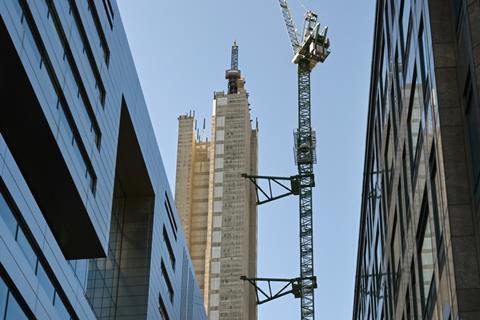
Last month’s figure of 38.2 was down from 39.7 the month before with the drop in construction output the fastest since March 2009 – outside of the pandemic.
The number is the 17th successive month the index has stayed in the red with residential activity again the weakest performing sector with a score of 36, civil engineering at 36.2 and commercial at 39.
The index also said that higher energy, fuel and transportation costs led to the fastest pace of input price inflation since June 2022.
Tim Moore, economics director at S&P Global Market Intelligence, said: “Anecdotal evidence suggested that economic uncertainty and rising inflation in the wake of the Middle East conflict had triggered the steepest drop in new work since the beginning of the pandemic. Elevated borrowing costs were also reported to have impacted market conditions.”
And he added: “Concerns about a prolonged decline in construction order books, alongside unfavourable near-term UK economic prospects, weighed on business optimism in May. This index has fallen sharply since the start of 2026, and confidence levels are now almost as low as those seen ahead of last autumn’s Budget.”
Aecom’s head of cost management Brian Smith said: “Contractors’ short-term goal will be damage control. This will mean being hawkish on the projects they take on, ensuring there’s capacity when opportunities do arise.
“The long-term pipeline will rely on interest rates holding steady and the government standing firm on its commitment to infrastructure delivery.”
And Paul Atkinson, restructuring advisory partner at FRP, added: “There’s been every sign that the construction sector is beginning to build stronger momentum recently, so this downturn is disappointing to see. The slowdown reflects the continued pressure created by funding costs, competition for work and wider economic uncertainty.
“That said, the industry has consistently shown its resilience. Many firms are still strengthening supply chains, improving operational efficiency and investing selectively in growth, helping them build greater resilience despite ongoing challenges.”







No comments yet