





Plans by Collective Architecture to open category A-listed site to public for first time since 1983
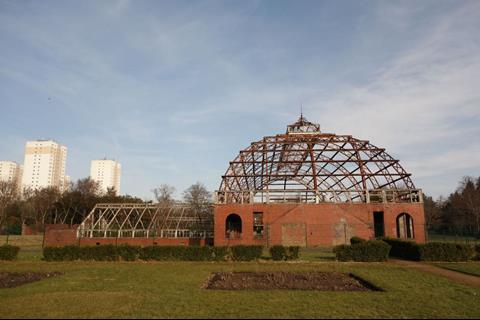
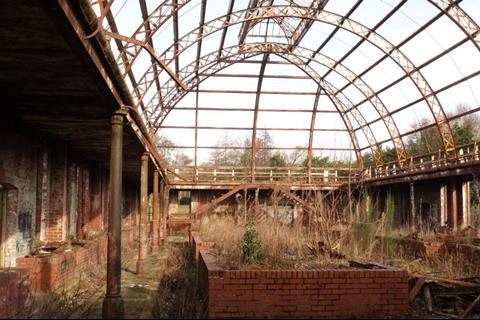
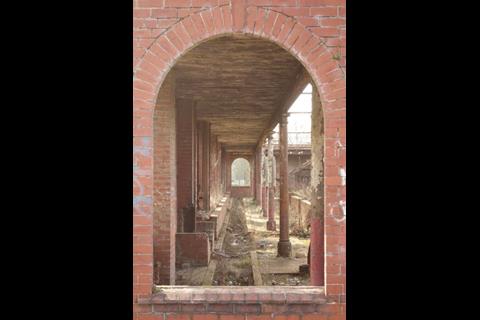
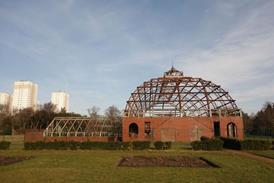
Glasgow council has approved plans by Collective Architecture to transform the city’s derelict Springburn Winter Gardens into a “living ruin”.
The category A-listed former glasshouse was built in 1900 but severely damaged by a storm in 1983, leaving the structure as an open air steelwork frame which has now been closed to the public for more than four decades.
The building, one of the largest glasshouses in Scotland at the time of its construction, was scheduled for demolition in 1985 but saved after being granted Scotland’s highest heritage protection status.
Various proposals for restoration and reuse have failed to succeed with the structure continuing to deteriorate, eventually being classified as a critical risk in 2014.
Collective’s proposals, designed for the Springburn Winter Gardens Trust following a 13-year campaign led by the local community, are aiming to open up the site to public use while keeping alive the possibility of a full restoration in the future.
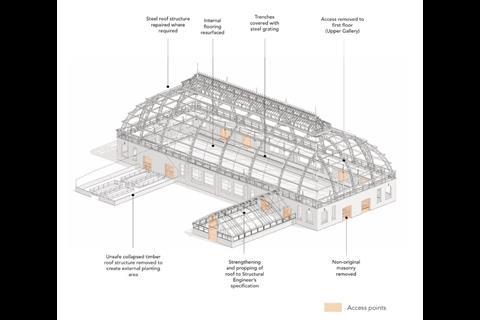
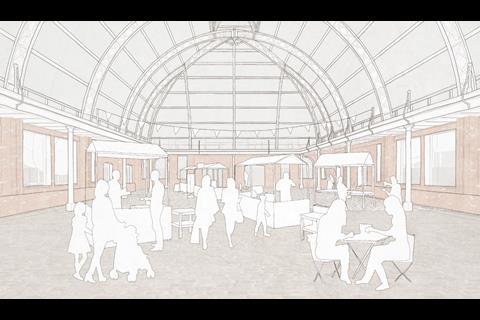
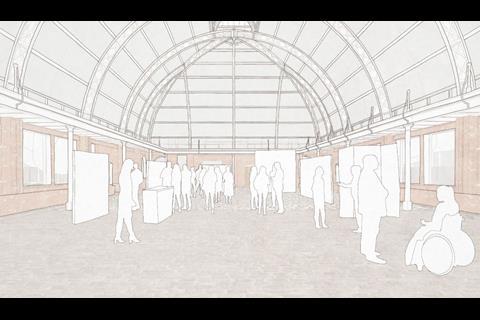
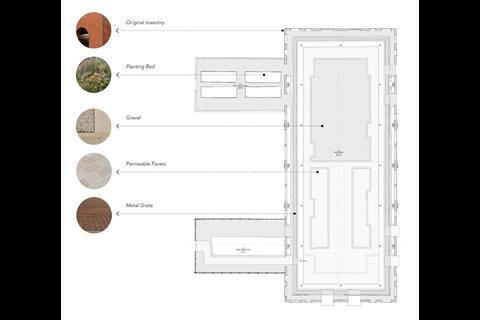
The scheme includes structural repairs to corroded steelwork, the removal of unsympathetic later additions, the reopening of blocked entrances and installation of level access flooring using reclaimed brick.
The main hall, which measures around 45m long and 18m wide with a 9.2m-tall arched roof, will be transformed into a flexible space for open-air markets, exhibitions, community gatherings and cultural events, and as a space to grow plants.
Paul Sweeney, MSP and chair of the Springburn Winter Gardens Trust, said the project will “bring one of the last surviving links to Springburn’s illustrious industrial past as a locomotive manufacturing centre back into public use as a vibrant community growing and event space”.
Sweeney said the Trust had secured all necessary capital grant funding to start work and was now in the process of tendering for a contractor.
Maisie Tudge of Collective Architecture added: “In the Living Ruin proposal, we want to celebrate the Springburn Winter Garden’s incredibly rich history by giving it a future, linking Springburn’s industrial past with the evolution of Glasgow as a city.
She added that the approval “brings us a step closer to reviving the Winter Gardens and securing a sustainable future for the Category A listed structure, returning this much-valued landmark to the community and creating new opportunities for people to engage with its history and heritage.”
The project team includes Sarah Robinson Frood and Innovate Rural as project managers, Brown + Wallace as QS and Narrow Associates as structural engineer.
Funders include the Architectural Heritage Fund, Regeneration Capital Grant Fund and Vacant and Derelict Land Fund.





No comments yet