







Practice working with Manica and Aecom on a team led by Australian pracitce Architectus on rethink of cricket’s second largest stadium
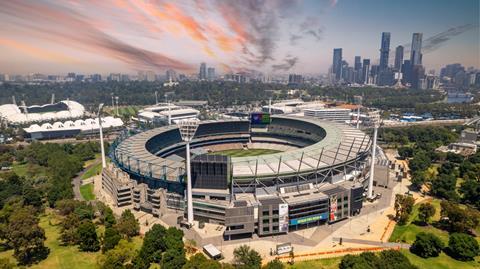
Foster + Partners has been appointed to a design team set to work on the redevelopment of Melbourne Cricket Ground, one of the most famous cricket stadiums in the world.
The firm will work with stadium specialist Manica on a team lead by Australian practice Architectus, with AECOM appointed as engineering consultant.
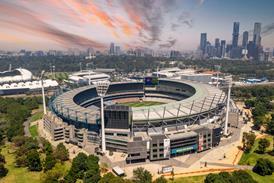
The project is set to assess the future of the 173-year-old stadium, known as MCG or ‘The G’, which, with a capacity of 100,000, is the largest stadium in the southern hemisphere and the second largest cricket ground in the world.
The team will focus on a rethink of the Shane Warne Stand, built in 1992 as the Great Southern Stand and renamed in 2022 following the death of Australian cricketer Shane Warne.
MCG said the project will also assess the current state of the stadium and precinct and set out options to ensure the ground “continues to meet the needs of athletes, fans and visitors for decades to come”.
The business case is due for completion in 2027 with completion of the redevelopment scheduled for 2032.
Steve Dimopoulos, Australia’s minister for sport and major events, said the appointment of a design team marked “an important step for Australia’s most cherished sporting and major events venue.”
“We are the sports and major events capital. This business case will help ensure we know what’s required to maintain the MCG’s place as one of the most iconic stadiums in the world,” he added.
Architectus principal and group director communities Mark van den Enden said the team was “proud” to be working with MCG “to re-imagine the next evolution of this hallowed ground”.
“Our focus will be on honouring everything Melburnians already cherish about the MCG while exploring how it can continue to set a global benchmark for fan experience, accessibility, and atmosphere for decades to come,” he said.
MCG has played a central role in Australian sport since its construction, serving as the main stadium for the 1956 Summer Olympics and the 2006 Commonwealth Games, and hosting Cricket World Cup finals in 1992 and 2015.
It has also influenced the development of cricket, hosting the first international Test match in 1877 and the first One Day International between Australia and England in 1971.






No comments yet