





Finalist for Education Architect of the Year Award 2025, Jestico + Whiles guides us through the specification challenges present at St Paul’s Girls’ School
Jestico + Whiles’ body of work was shortlisted for last year’s AYAs, as the practice was named a finalist for three awards, including Education Architect of the Year (sponsored by Swisspearl).
In this series, we take a look at one of the team’s entry projects and ask the firm’s senior architect, Robert Reid, to break down some of the biggest specification challenges that needed to be overcome.
What were the key requirements of the client’s brief? How did you meet these both through design and specification?
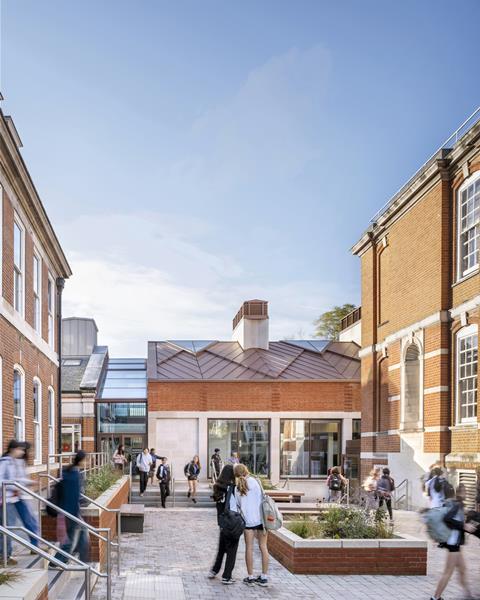
St Paul’s Girls School sought a masterplan strategy to deliver new and refurbished facilities that would achieve future-ready learning, inclusive access, enhanced safeguarding and pastoral provision, heritage sensitivity, and demonstrable sustainability. Our phased masterplan addresses these requirements, with the Rosalind Franklin Wing representing the third phase of implementation.
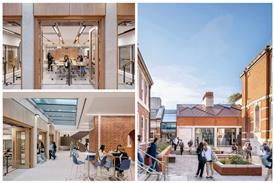
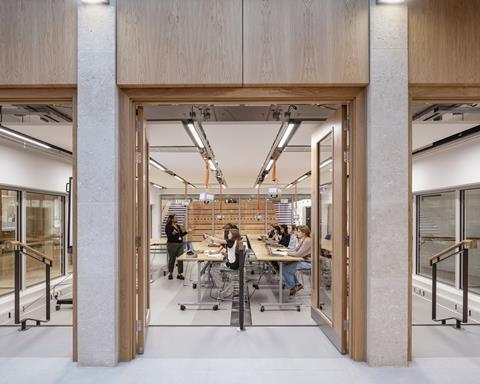
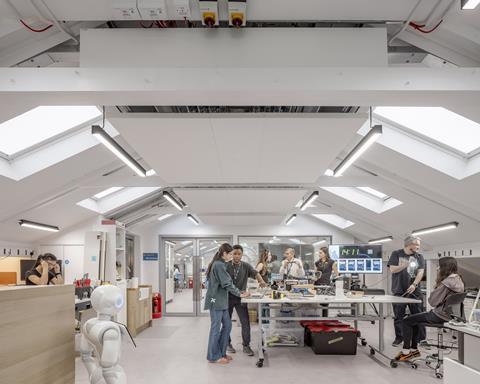
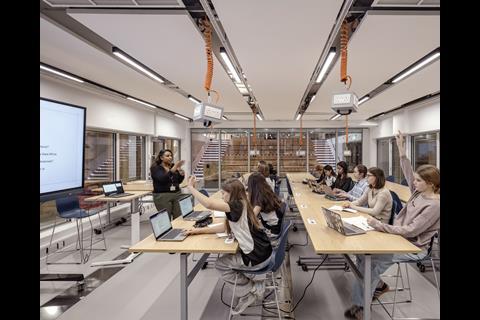
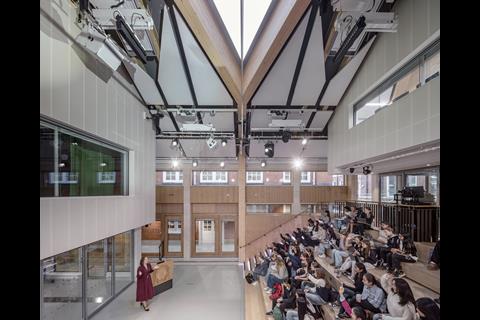
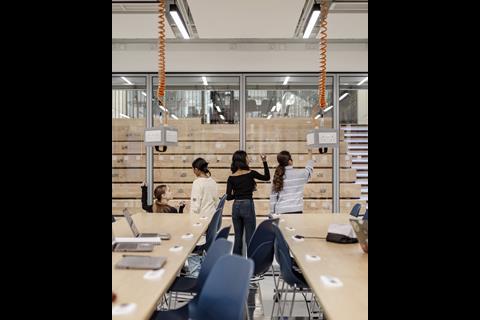
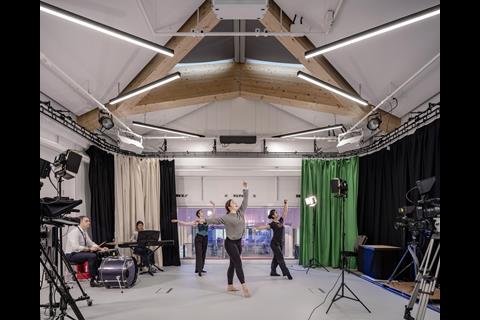
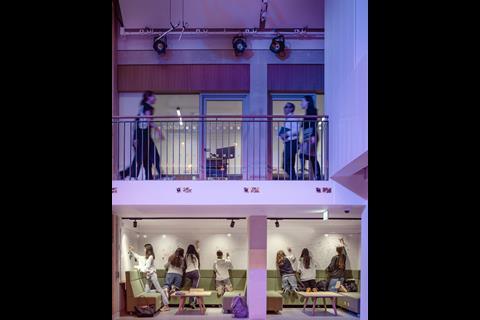
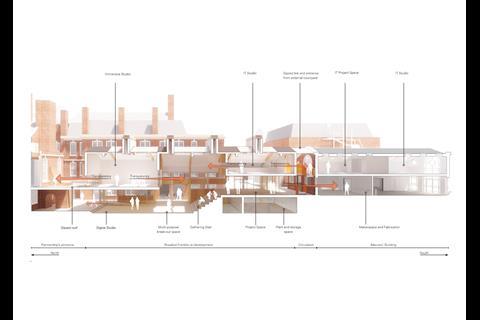
The wing serves as the school’s centre for design and innovation – a non-departmental resource providing new learning environments through digital studios, maker workshops, reconfigurable pods and Immersive spaces for both staff and students.
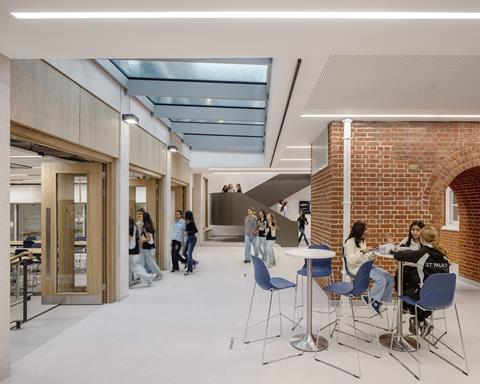
Strategically positioned between existing buildings, the wing connects different site levels across the masterplan. Two new lifts enhance movement and accessibility throughout the school, while key circulation routes are maintained and improved through enhanced wayfinding.
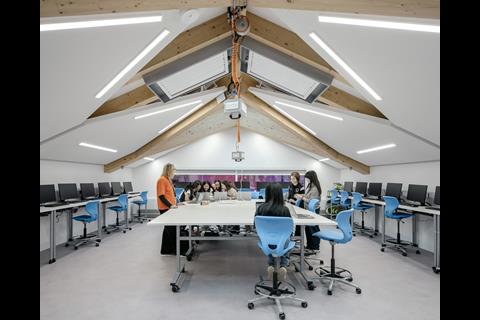
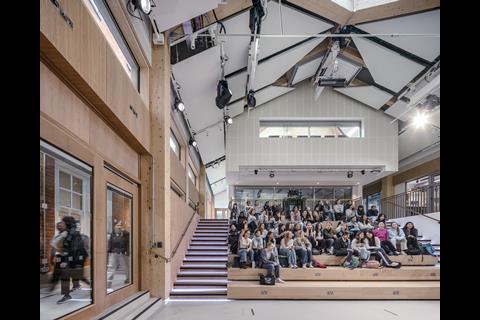
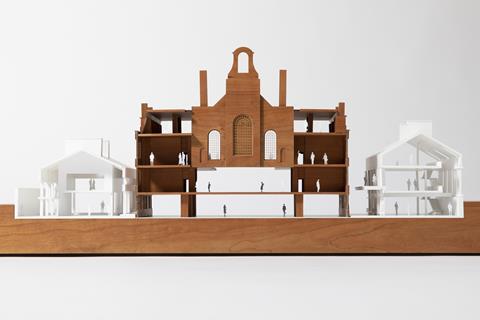
The building incorporates sustainable heating and cooling solutions, while its CLT and glulam structure reduces embodied carbon and creates an exposed structural design feature. This approach balances environmental responsibility with architectural expression, allowing the sustainable framework to become an integral part of the building’s visual identity.
What were the biggest specification challenges on the project and how were these overcome?
Creating a modern centre of design and innovation that would also enhance the historic character of the site’s existing buildings required thoughtful specification.
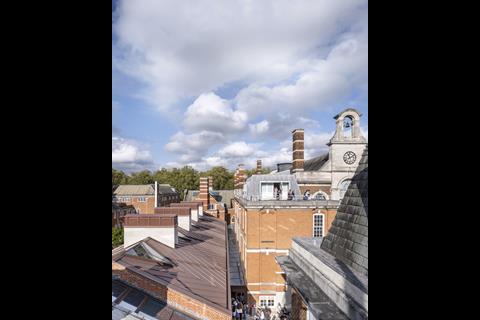
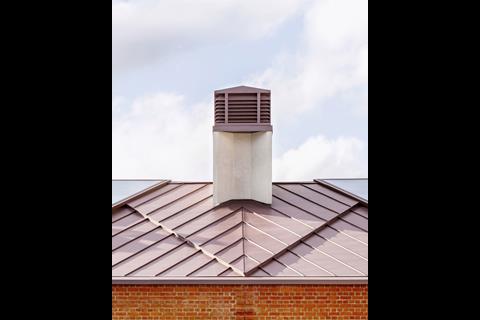
Our material strategy carefully referenced the site’s heritage fabric, reimagining traditional elements through contemporary architectural detailing. The historic red brick was reinterpreted to echo existing facades, with new brickwork laid to preserve the original rhythm and bay proportions of the surrounding buildings. Structural Portland stone which featured on the existing elevations was reimagined as hung panels, integrated into the new brick elevations. New stone chimneys were designed to complement the historic chimneys across the site.
Contemporary materials including zinc cladding, structural glulam and CLT were strategically introduced to deliver modern performance and sustainability credentials. These additions were carefully balanced against the established material palette, ensuring the wing maintained visual harmony with its historic context.
What are the three biggest specification considerations for the project type? How did these specifically apply to your project?
The timber structure, Portland stone and glazed facade were essential to the building’s design, impacting not only its architecture and performance but also the project’s sequencing, phasing and required approvals.
The specification and careful product selection proved critical to the project’s successful delivery. Each material choice required coordination between design intent, technical performance and construction methodology, ensuring that our architectural vision aligned with practical requirements.
Do you have a favourite product or material that was specified on the project?
The timber structure was a memorable element of the design. It fulfils dual roles within the building, functioning as both primary structural framework and exposed architectural finish. The CLT beams remain visible throughout the interior, creating an honest expression of the building’s construction that also has a didactic function, showcasing sustainable design to the school’s students. It was amazing to see the entire timber structure installed within a couple of weeks.
Are there any suppliers you collaborated with on the project that contributed significantly? And what was the most valuable service that they offered?
ZM Zinc were very helpful in assisting with the detailed design and installation of the zinc roof, which is designed to emulate diamond motifs that are visible in the existing building. Its detailing and installation required particular care and attention. Highly visible from the existing building, the roof acts as a fifth facade and it was crucial to get it right given its historic context.
What did you think was the biggest success on the project?
The biggest success of the project was working with an engaged, supportive, driven and dedicated client in St Paul’s Girls’ School. The school had a clear vision for this project and the wider masterplan, and through their efforts, development of the brief and continued support, the design team was able to deliver an exceptional building.
Project details
Architect Jestico + Whiles
Client St Paul’s Girls’ School
Structural engineer Price & Myers
M&E consultant Skelly & Couch, MG Partnership
Quantity surveyor Bristow, Wenham O’Brien
Fire consultant Jensen Hughes
Landscape consultant OOBE
Acoustic consultant Sandy Brown
Project manager Bidwells
Principal designer adviser iM2
Approved building inspector Socotec
Main contractor Feltham Construction
Structure Eurban
Roof VMZinc
Floors Forbo, Atlas Concorde, Havwoods
Stone Albion Stone
Glazing Raico
Chimneys Monodraught
Our “What made this project” series highlights the outstanding work of our Architect of the Year finalists. To keep up-to-date with all the latest from the Architect of the Year Awards visit here.




No comments yet